
The Environment and Human Choices
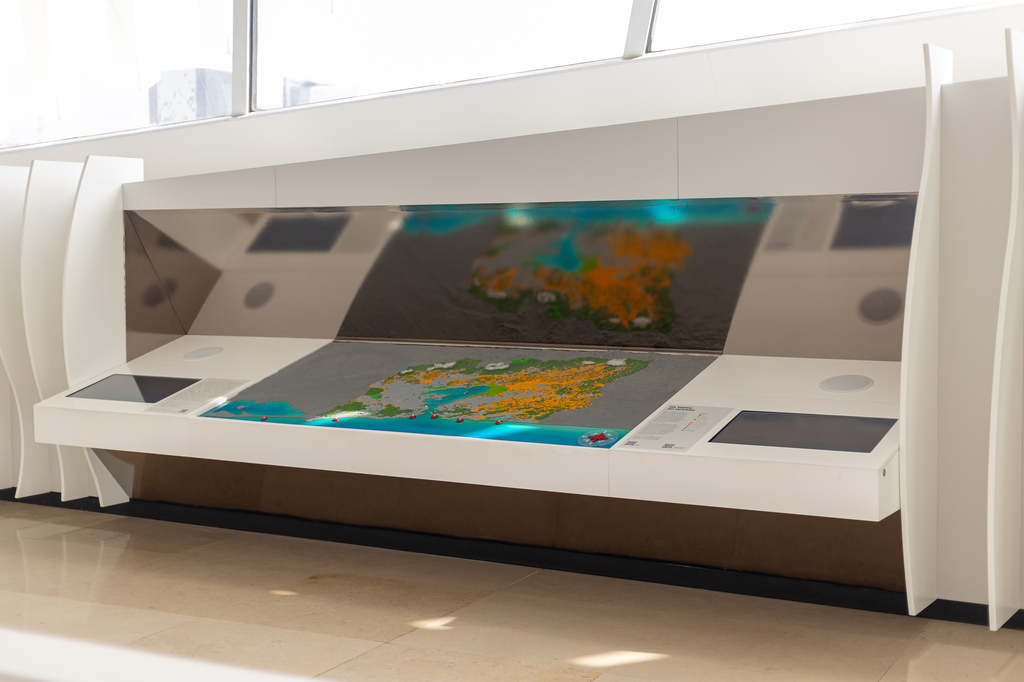
Its protected geography has, over time, favored urban occupation and the development of cities, ports, and economic activities, making it a strategic space from both an environmental and social point of view. The content presented in this exhibition shows how the accelerated urban growth around Guanabara Bay occurred without the necessary balance between development and environmental care. Over decades, the discharge of untreated sewage, the inadequate disposal of waste, and the suppression of natural areas have compromised water quality and profoundly affected biodiversity. The bay has come to reflect the contradictions of an occupation model that expanded cities but ignored the limits of the natural environment. Recovery attempts, often interrupted or incomplete, reveal that the impacts observed today are the result of decisions accumulated over time, made at different points in the territory.
An ecosystem that endures
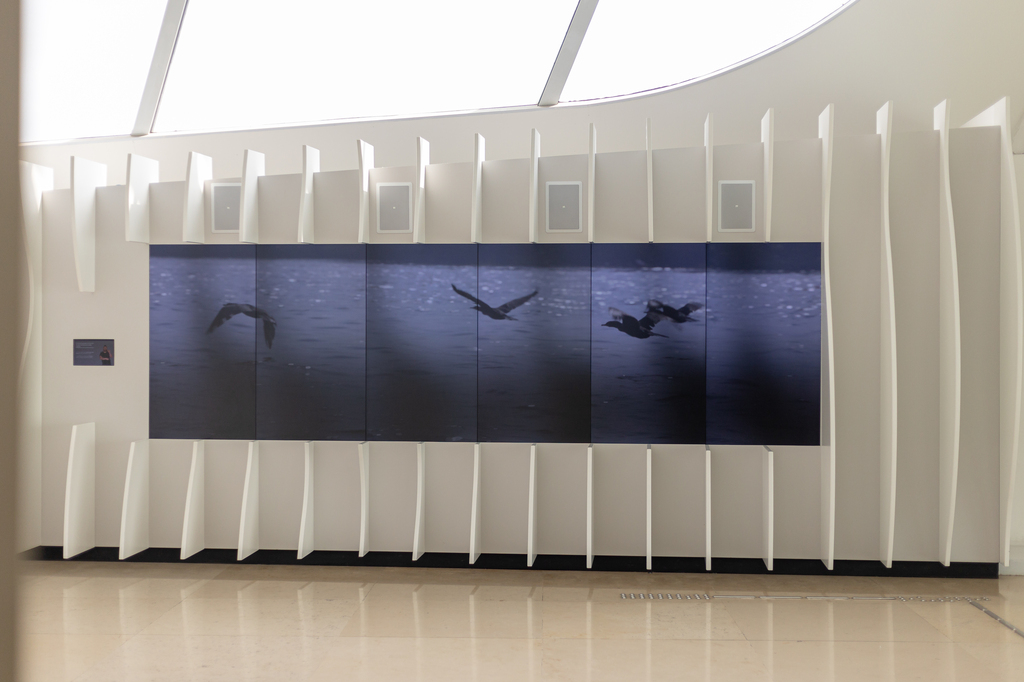
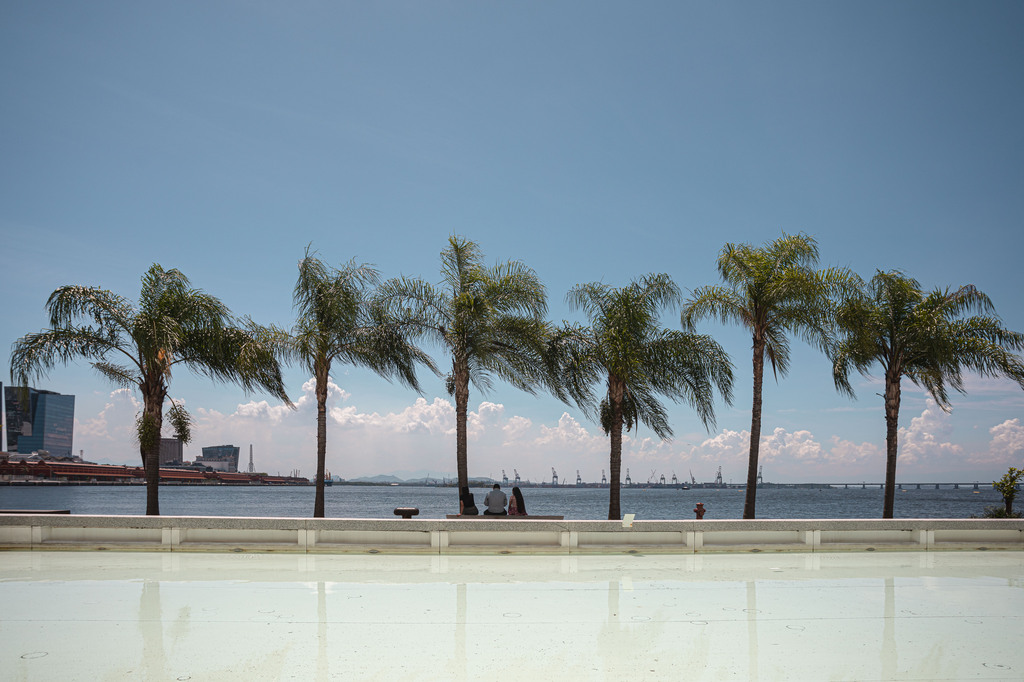
Despite the transformations and impacts, Guanabara Bay remains alive. This exhibition highlights the presence of marine species, the importance of mangroves, and the multiple research, conservation, and social mobilization initiatives that work to defend this ecosystem. The bay is also a space for work, culture, and identity for communities that maintain a direct and daily relationship with its waters. By presenting these stories of resistance, the exhibition proposes a perspective that goes beyond degradation, recognizing the potential for regeneration and the futures that are still possible for this territory.
INVISIBLE CONNECTIONS
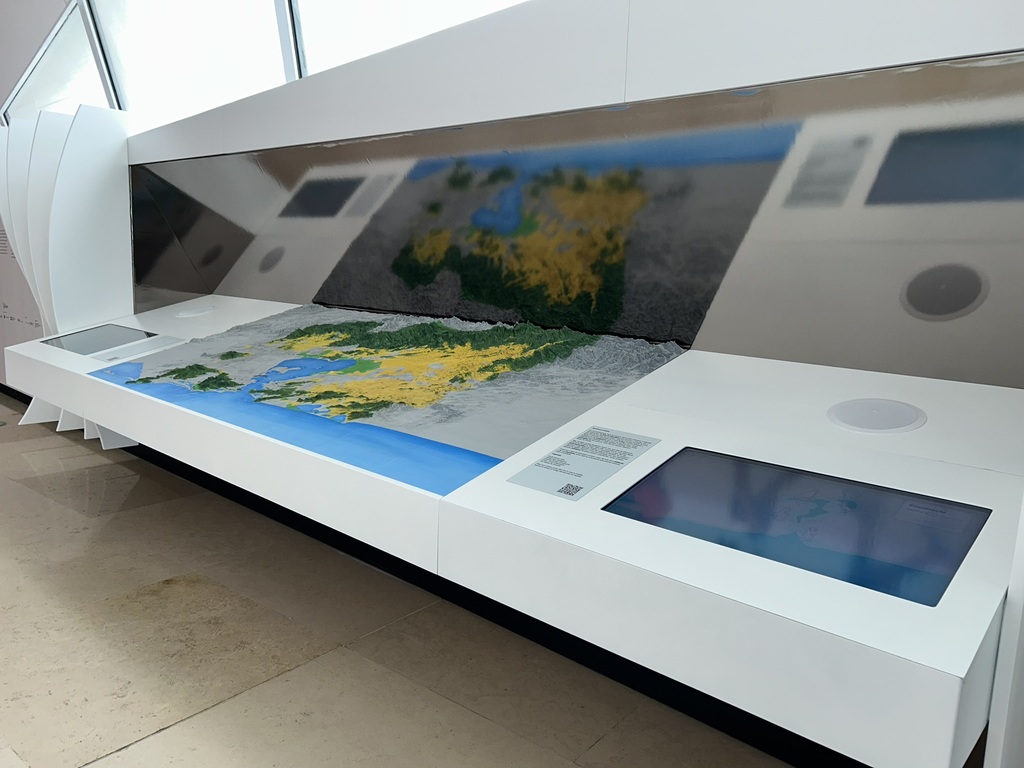
One of the central themes of this exhibition is to reveal the connections that structure Guanabara Bay. The bay communicates with the ocean through a channel, which allows for the partial renewal of its waters in regular cycles. Mangroves function as areas of protection and reproduction for marine life, playing an essential role in the balance of the ecosystem. Furthermore, rivers that originate in the mountains cross forests, urban areas, agricultural zones, and densely populated regions before flowing into the bay. Along this route, they carry with them everything they encounter. Thus, the exhibition highlights that what happens far from the bay's shores is also manifested in its waters.
A SHARED TERRITORY
The content presented invites reflection on collective responsibility in the conservation of Guanabara Bay. Preserving this ecosystem requires an integrated vision that considers the natural environment, cities, and populations as inseparable parts of the same system. Caring for the bay is caring for the territory and the people who depend on it. The bay expresses choices made in the past and present. This exhibition proposes thinking about how new choices can contribute to more balanced relationships between society and nature.
EXPERIENCE, KNOWLEDGE AND FUTURE
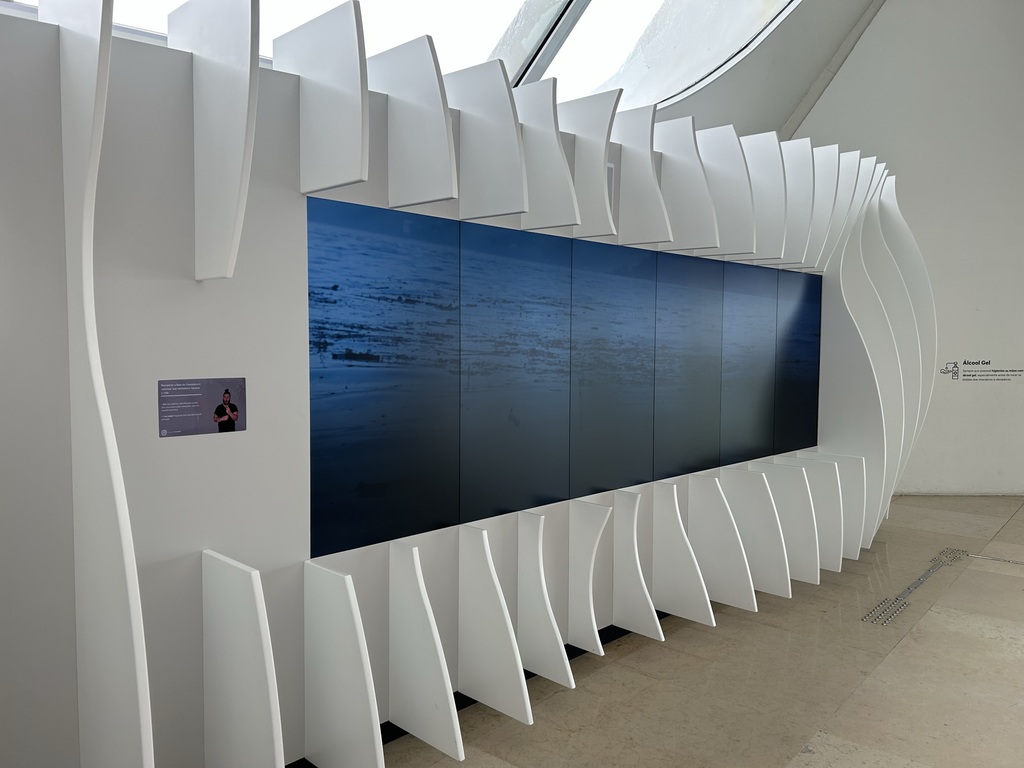
Through models, interactive resources, and sensory experiences, this exhibition seeks to make visible the environmental, cultural, and social complexity of Guanabara Bay. By integrating science, technology, and experience, the Museu do Amanhã invites the public to reflect on their own role in building possible futures.
Getting to know Guanabara Bay here is an exercise in imagination and responsibility. By understanding its connections and challenges, we are called upon to consider what futures we want to build for this territory and for the planet.