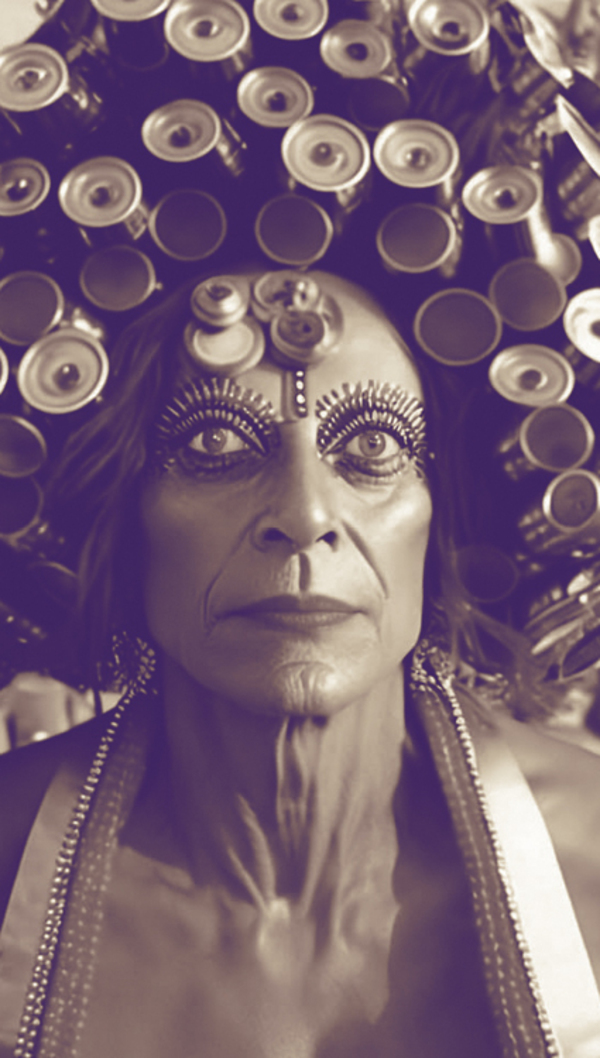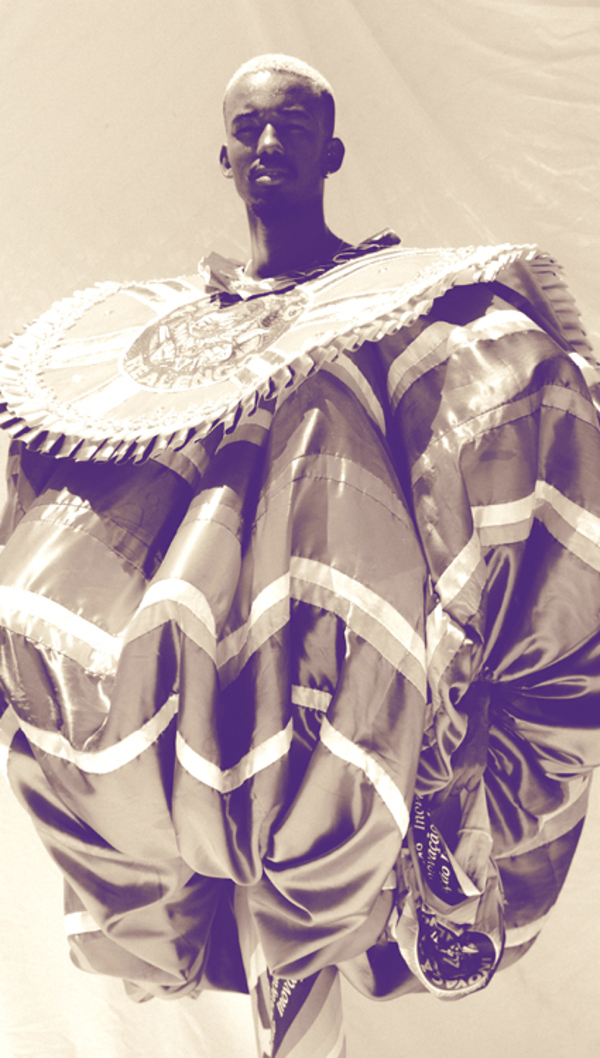

In Ginga workshops, collectives, artists, scientists, researchers, and professionals from the creative and STEAM fields come together to reimagine the future of art and technology. These encounters are zones of convergence that broaden the field of experimentation and promote dialogue between different areas of knowledge, creating a fertile environment for exchange, discovery, and collective learning.
Generally, the Gingas workshops engage with the themes of the museum's current exhibitions, always inventive, defying the obvious and seeking new ways of thinking about and experiencing the content. They are workshops that invite us to get our hands dirty, to get us out of our inertia and put all our creativity into motion. Free and accessible.
The program encourages the creation of bridges between doing and thinking, between the analog and the digital, between dreaming and materialization. Using contemporary practices—such as coolhunting, the study of the life cycles of raw materials, and the use of generative artificial intelligence—the workshops encourage the construction of narratives that connect the unexpected, the sensitive, and the experimental, fostering new forms of expression and innovation.
METHODOLOGY
The training cycles are organized based on the concept of intelligences, exploring different dimensions of creation and existence:
Relational intelligences — manifested in collective action, anchored in affection, listening, ancestral knowledge, and relationships with the environment.
Ancestral intelligences — evoked by memory and dream technologies, as ways to access and reinvent the present.
Artificial intelligence — applied as tools for experimentation and co-creation, expanding the possibilities of imagining and materializing collective futures.
REFERENCES
FREIRE, Paulo. Pedagogy of the Oppressed. 1968.
MARTINS, Sérgio. Negative Art for a Negative Country. 1990.
DAVID-MÉNARD, Monique. The Will of Things — Animism and Objects. 2001.
DA ROSA, Allan. Pedagogy, autonomy and mocambagem. 2016.
COECKELBERGH, Mark. Ethics in Artificial Intelligence. Translated by Lucas Lopes Barbosa. São Paulo: Ubu Editora, 2021.